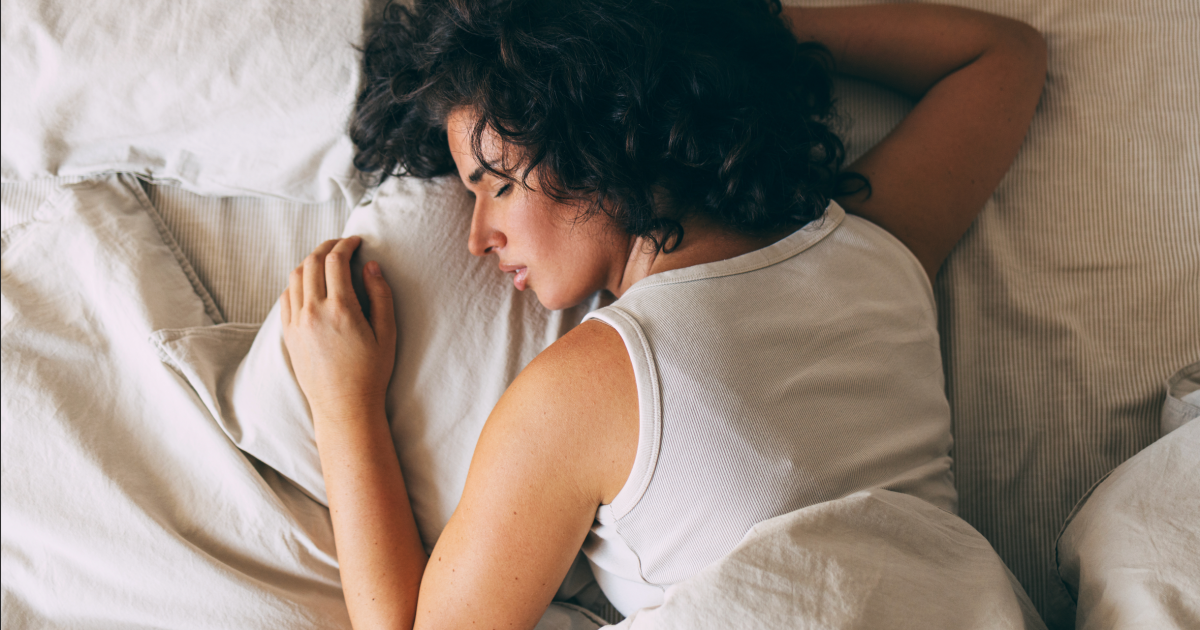
If you usually fall asleep face-down, a doctor has warned that the habit may come with more risks than a stiff neck in the morning. The concern is a painful chest condition called costochondritis, which affects the cartilage around the ribs and can cause sharp discomfort.
Many people sleep on their stomach because it feels cozy, helps them settle, or cuts down on snoring. But in a video shared on TikTok, Doctor Suraj Kukadia explained why the position is not always as harmless as it seems, especially when the chest stays pressed into the mattress for hours.
The position is sometimes called the ‘freefall’ position. It can place extra strain on the spine and leave some people waking up sore, tight, or uncomfortable. Dr Kukadia warned that the pressure may also irritate the rib and cartilage area, which is where costochondritis can become an issue.
Dr Kukadia brought up the condition after reacting to a video from another influencer who had ended up in an emergency room with chest pain. That kind of symptom can be frightening, since many people naturally worry first about the heart when pain appears in the chest.
Dr Kukadia said: “Thankfully, not all chest pain comes from the heart. This creative was diagnosed with costochondritis. So costo means ribs, chondros is for cartilage and it just means inflammation.”
His point was that chest pain should always be taken seriously, but not every case has the same cause. In this example, the pain was linked to inflammation in the rib cartilage rather than a heart problem.

Sleeping on your front can cause chest painsPhoto by: BSIP/Universal Images Group via Getty Images
What is costochondritis?
Explaining the condition, the doctor said: “So it’s when the cartilage attaching your ribs to your breastbone gets irritated and it gets inflamed, and this can cause a sharp, stabbing chest pain.”
He said the pain can often feel worse when someone presses on the chest, twists during sleep, or takes a deep breath. That can make normal movements feel more noticeable, especially when the sore area is already inflamed.
The reason breathing can make it hurt is fairly simple: the ribs move and expand as you breathe in. When the cartilage around those joints is irritated, that movement may make the pain sharper or harder to ignore.
Mayo Clinic describes costochondritis ‘an inflammation of the cartilage that connects a rib to the breastbone, called the sternum’.
“Pain caused by costochondritis might be like that of a heart attack or other heart conditions. Costochondritis most commonly affects the upper ribs on the left-hand side of the body.”
“Pain is often worst where the rib cartilage attaches to the breastbone, called the sternum. But pain also can happen where the cartilage attaches to the rib.”
Discover more
TV & Video
TV & Video Equipment
Movies
Mayo Clinic also notes that the exact cause is often unclear. That can be frustrating for people dealing with the pain, because there may not be one clear moment or injury that explains why it started.
Dr Kukadia’s warning focuses on one possible trigger: pressure from sleeping face-down. It does not mean every stomach sleeper will develop costochondritis, but it does give people a reason to pay attention if chest pain keeps appearing after sleep.
When chest pain should not be ignored
Because costochondritis can feel similar to more serious problems, chest pain is not something to brush off. Pain that is new, severe, spreading to the arm or jaw, linked with shortness of breath, or paired with sweating, dizziness, or nausea should be checked as an emergency.
For less urgent pain, patterns can still matter. If discomfort keeps showing up after sleeping on your stomach, lifting heavy items, or spending long hours with poor posture, it may be worth speaking with a doctor or another qualified health professional.
The main takeaway is not to panic, but to avoid guessing. A painful rib cartilage problem may be the cause, but chest pain can have many explanations, and getting proper advice is the safest way to tell the difference.
Discover more
TV & Video Equipment
Celebrities & Entertainment News
TV & Video
Why is sleeping on your front bad for you?
Dr Kukadia continued: “Sleeping on your stomach can trigger costochondritis because the chest is compressed for hours and that pressure can irritate the rib and cartilage joints.”
“These are called the costochondral joints.”
“Now, adding in poor posture and heavy lifting during the day can give you the perfect recipe for costochondritis.”
The good news for stomach sleepers is that treatment can often be simple, depending on the person and the cause of the pain. It usually involves rest, anti-inflammatory medicine if it is safe for that person, and gentle chest-wall stretching while avoiding positions that press down on the chest.
Costochondritis is not the only reason people are warned about sleeping face-down. SoakandSleep reported that front sleepers can be more anxious and compulsive than other sleepers, while stomach sleepers may also be more sociable and outgoing. The position can also add pressure to the face through the night, which may play a role in facial wrinkles over time.
So much for beauty sleep.
There is one reason some people stick with the position, though. For people who snore, sleeping on the stomach can stop the tongue from falling backward and help keep the airway more open.
Even then, comfort is not the only thing to consider. If the position helps with snoring but causes chest soreness, neck strain, or back pain, it may be worth trying a different setup, such as side sleeping with better pillow support.

Sleeping on your back is the most health sleeping positionPhoto by Wodicka/ullstein bild via Getty Images
What’s the best sleeping position?
The Sleep Foundation said: “The healthiest sleeping positions are generally on your side or back, as they best maintain spinal alignment, reduce pressure, and allow for muscle recovery.”
“Side sleeping (specifically the left side) is ideal for reducing acid reflux, easing back pain, and mitigating sleep apnea, while back sleeping offers superior spinal alignment.”